Famous Voice Font: Elevating Small Business Branding
I still remember the exact moment I realized my candle business had a branding problem. I was standing at a local craft market, watching potential customers pick up my jars, glance at the label for a split second, and then set them back down. The product inside was high-quality soy wax with premium fragrance oils, but the label looked like something I had printed on my home office printer five minutes before leaving. The typography was generic, the spacing was awkward, and nothing about it whispered "luxury" or "handmade care." That afternoon, I decided to stop treating design as an afterthought and start treating it as a core part of my product. The turning point wasn't a new logo or expensive packaging; it was discovering the Famous Voice font.
Why Typography Matters More Than You Think
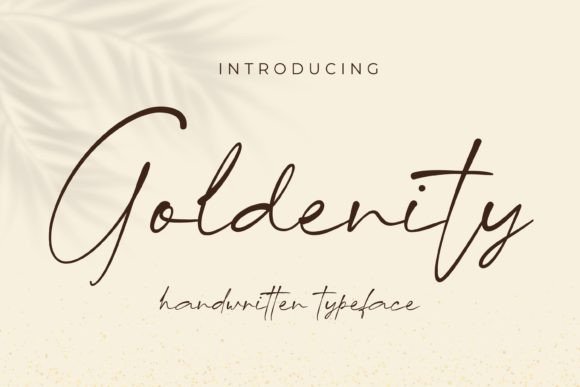
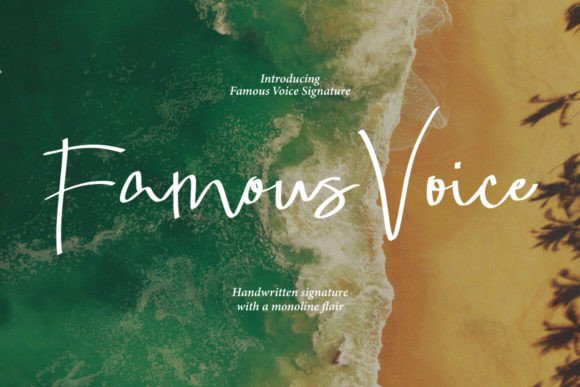
As entrepreneurs, we often pour our hearts into product development while neglecting the visual language that introduces that product to the world. When I first tested Famous Voice on a mockup of my lavender and sage candle label, the difference was immediate. This isn't just another script amp option in a sea of fonts; it is a stylish signature typeface with a smooth, single-line design that feels inherently personal yet incredibly polished. The sleek and elegant strokes added a layer of sophistication that my previous blocky sans serif choices simply couldn't achieve.
Typography acts as the voice of your brand before a customer ever reads your copy. A monoline flair, like the one found in Famous Voice, suggests consistency and modern elegance. It tells the buyer that you pay attention to details. For my small business, switching to this premium font didn't just make the labels look better; it made the entire brand feel more trustworthy. Customers began commenting on how "high-end" the packaging looked, even though the only thing that had changed was the lettering.
Transforming Packaging and Product Labels
If you are selling physical goods, whether it is skincare, baked goods, jewelry, or candles, your packaging is your silent salesperson. Famous Voice shines brightest when used as a display font for product names or short, impactful phrases. Because of its single-line construction, it remains legible even at smaller sizes, which is crucial for cosmetic labels or boutique tags where space is limited. Unlike overly ornate script fonts that can become muddy when scaled down, this typeface maintains its integrity on a 2-inch jar sticker or a hang tag.
I started using it specifically for the scent names on my candles while keeping the descriptive text in a clean, minimal sans serif. This created a beautiful hierarchy. The Famous Voice script drew the eye to the most important information—the experience and the name—while the supporting typography handled the logistics. This balance is key in packaging design. You want the artistic flair to enhance readability, not compete with it. The result was a cohesive look across my entire product line that felt intentional and professionally curated.
Creating Consistency Across Digital and Print Touchpoints
One of the biggest challenges for solo business owners is maintaining visual consistency across every platform. Your Instagram grid needs to match your website banner, which should align with your thank-you cards and shipping labels. Famous Voice became my anchor asset. Its versatile personality works just as well in digital spaces as it does in print. I began incorporating it into my social media graphics for quote overlays and sale announcements. The smooth lines photograph beautifully and remain crisp on mobile screens, ensuring my brand identity translates perfectly from a physical candle jar to a digital thumbnail.
This consistency builds recognition. When a repeat customer sees that familiar, elegant script in their email inbox or on a new product launch post, they instantly connect it to the unboxing experience they love. It turns disjointed marketing materials into a unified brand story. For those running an online shop, using this creative font in website headers or category titles can add warmth to an otherwise sterile e-commerce layout, bridging the gap between digital shopping and the tactile joy of handmade goods.
The Art of Simple Font Pairing
You do not need a degree in graphic design to use Famous Voice effectively, but understanding basic font pairing helps maximize its impact. Because this typeface has such a distinct, fluid character, it pairs best with understated partners. I found that combining it with a geometric sans serif creates a modern, editorial look perfect for beauty brands and lifestyle boutiques. If your business leans more traditional or vintage, try pairing it with a classic serif font for the body text. This combination evokes heritage and craftsmanship, ideal for bakeries or artisanal food producers.
Avoid pairing Famous Voice with other highly decorative scripts. Let it be the star of the show. Use it for headlines, logos, signatures, and accent words, and rely on simpler typefaces for paragraphs and fine print. This approach ensures your designs remain accessible and easy to read. Remember, good design serves the customer first. If they have to squint to read your menu or product description, the aesthetic appeal is lost. Always test your pairings at actual size, especially for business cards and stickers, to ensure the monoline strokes don't disappear against colored backgrounds.
Practical Considerations for Commercial Use
Before you commit to a new typeface for your business assets, always verify the licensing and technical details. Famous Voice is designed for commercial application, but checking the specific license terms ensures you are covered for everything from merchandise to client work. Look for included alternates and ligatures, which are special characters that allow letters to flow together more naturally. These small typographic nuances can make a logo or signature look custom-drawn rather than typed, adding that extra touch of bespoke quality that small business customers adore.
Also, consider file formats. Having access to OTF, TTF, and WOFF files means you can use the same font family across Adobe Illustrator for packaging, Canva for social media, and WordPress for web design without compatibility headaches. Multilingual support is another factor if you serve diverse communities or plan to expand internationally. Ensuring your chosen font supports necessary accented characters prevents awkward substitutions later.
Ultimately, upgrading to Famous Voice was about more than just pretty letters; it was about respecting my own work enough to present it properly. Whether you are refreshing a café menu, designing a coaching brand identity, or printing thank-you notes for your Etsy shop, the right typography signals professionalism and passion. It transforms a simple transaction into a memorable interaction. In the crowded marketplace of small business, clarity and style are not luxuries—they are necessities. Finding a font that balances both can be the simplest, most effective investment you make in your brand's future.